Electrical safety
Electricity is used throughout our homes – but appliances, plugs and cables that are old or poorly wired can be a real danger. Just because there is no flame, doesn’t mean there is no fire risk. The following information shows you what to check for to ensure your appliances don’t put you at risk.
What to check for
There are particular danger signs you should look out for on all the electrical items you have around your home:
- hot plugs and sockets, fuses that blow frequently, flickering lights and scorch marks on sockets or plugs; these are all signs of loose wiring or other problems that should be fixed
- badly wired plugs – if you can see the coloured wires sticking out, they can come loose and debris can also get into the plug
- frayed power leads – the outer covering of all power leads should be in good condition and not damaged
- repaired power leads – split or frayed leads should not just be taped over as this is not a secure repair; they should be replaced
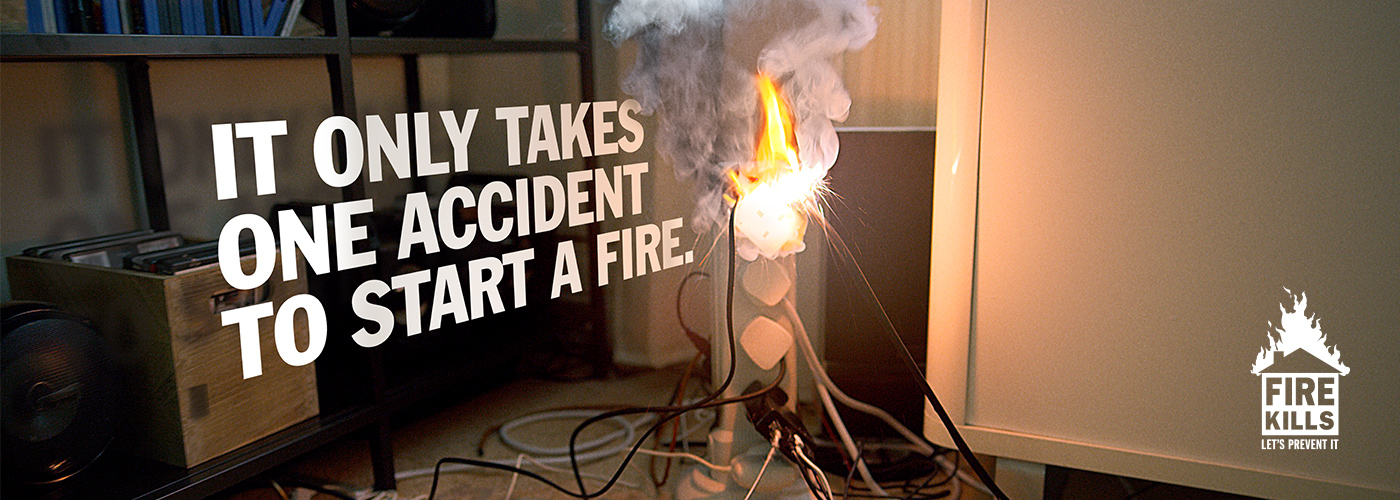
- overloaded sockets – too many electrical appliances plugged into one socket or adapter can overload it, which will lead to overheating
- badly positioned cables – they should not be anywhere they could be tripped over, or near to water, or close to cookers or other sources of heat; and don’t run them under rugs or carpets where they can wear through without anyone noticing
- water near electrical items – cables and plugs should never be in danger of getting wet; so don’t put a vase of flowers on the TV, for example
Keep electrical items in good working order
Follow these guidelines to keep your electrical items safe to use:
- maintenance – electrical appliances (especially ones that run at high speeds and contain motors, like the washing machine) should be serviced once a year by an electrician
- wire plugs carefully – the outer covering of the power lead should go inside the plug and be secured there; all the wires inside should be held firmly in place
- use sockets safely – it’s better to use a bar adaptor on a lead than a block adaptor; only use one adaptor per socket and don’t plug an adaptor into an adaptor. Don’t allow the total current used by the appliances plugged into the adaptor to add up to more than 13 amps all together
- throw away damaged cables – if a lead has a crack or hole in it, stop using it; it’s safer to replace, rather than repair
- turn off and unplug – if you’re not using electrical appliances, turn them off at the wall and unplug them (unless the appliance is designed to be left on, like a video player that displays the time)
- use the right fuses in your plugs - they are designed to stop overheating; follow the guidance below to find the right one
Appliances up to:
700 watts = 3 amp fuse
700-1000 watts = 5 amp fuse
1000+ watts = 13 amp fuse
Electric heaters
Plug-in heaters use a lot of electricity and generate a lot of heat. This means they can be dangerous if they are not used correctly. You should:
- keep them clear of curtains and furniture
- only sit at least three feet (one metre) away from them
- buy them from reputable shops
- never dry washing on or near them (or on fireguards)
Electric blankets
Your electric blanket should carry the British Standard Kitemark and the British Electrotechnical Approvals Board (BEAB) symbol on it, showing it meets safety and quality standards.
The old BEAB symbol
If your blanket (or its flex) shows any of these danger signs, you should have it checked or replaced:
- the old BEAB safety mark (a round symbol, pictured above) this means it's over ten years old and should be replaced
- scorch marks
- exposed elements
- creasing or folding
- soiling or damp patches
- missing or damaged tie tapes
- loose connections
- fraying fabric or a worn flex
You should replace your electric blanket at least every ten years. Never buy one second-hand and always check for the British or European standard and the certification marks mentioned above. Also make sure it has overheating protection.
You shouldn’t fold electric blankets to store them, as this can damage the wiring. It’s better to roll them – or keep them on a spare bed. An electric underblanket can be left on your bed all year, whether you are using it or not. Here are some further safety tips:
- always follow the manufacturer’s instructions
- never use an underblanket as an overblanket (or vice-versa)
- keep all electric blankets flat or rolled to store
- tie electric underblankets to the bed or mattress as this stops them slipping and creasing, which could cause damage
- only leave a blanket switched on all night if it has thermostatic controls for safe all-night use – otherwise, switch it off and unplug it before you get into bed
- don’t get blankets wet; and if your blanket does get wet, don’t use it – never switch it on to dry it
Dealing with an electrical fire
Only if it is safe to do so, pull the plug out, or switch off the power at the fuse box – sometimes this can stop the fire immediately. Never use water on an electrical fire and don't take any risks - get everyone out and dial 999.